Reactive detection
Reporting-only tools identify bad traffic after click charges and polluted signals already entered your system.
- Charge already happened
- Data already contaminated
- Optimization already misled
How edge blocking works
This first implementation follows the screenshot’s structure: a product explainer, a technical flow, operational benefits, FAQ content, and repeated conversion moments.
Reporting-only tools identify bad traffic after click charges and polluted signals already entered your system.
AdBot Security inspects, scores, and blocks suspicious traffic before the spend and data damage occur.
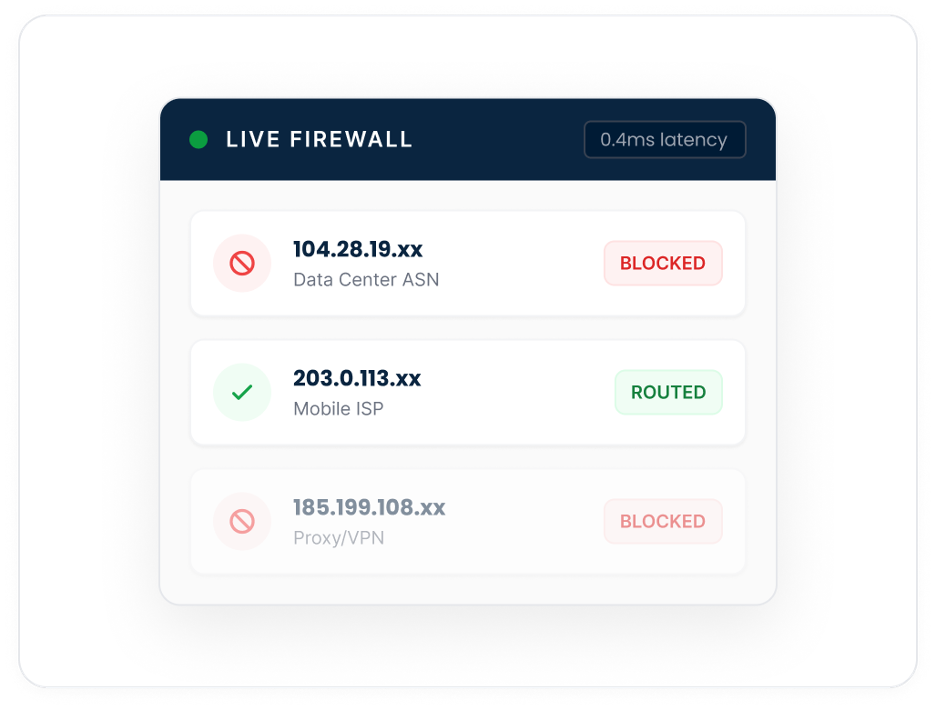
Inspect transport and request-layer traits at the edge.
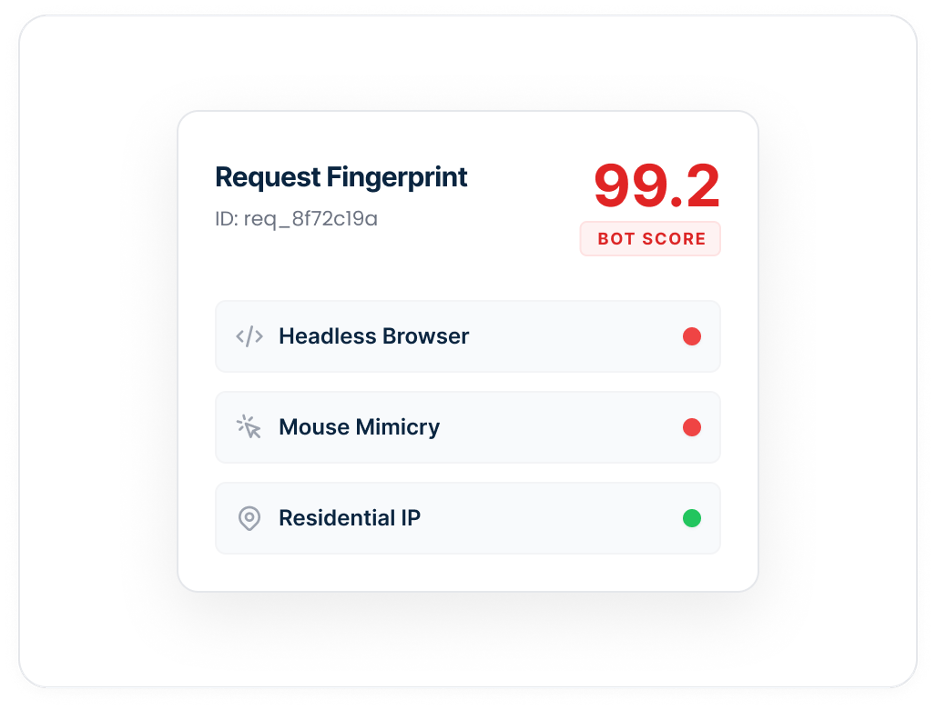
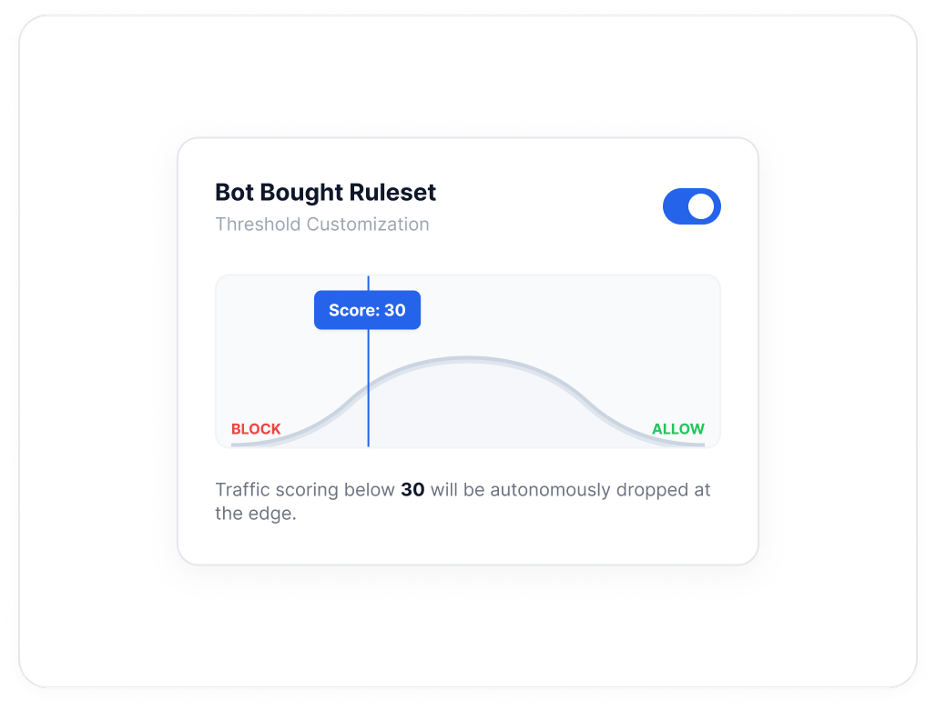
Score traffic against heuristics and threshold logic in real time.
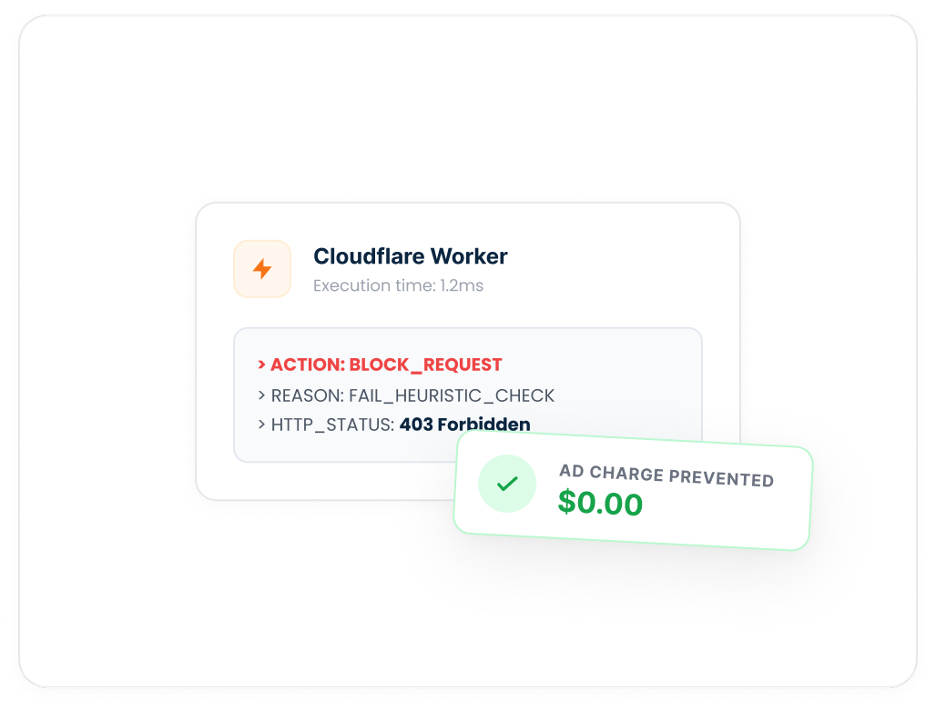
Block suspicious clicks before billing and analytics ingestion.
Traffic is intercepted before it can propagate into your application stack.
Signals from the request and device posture are evaluated against known patterns.
Scores are compared to policy thresholds so enforcement can happen immediately.
Suspicious traffic is blocked before it incurs billing or poisons downstream metrics.
This placeholder assumes the edge layer sits in front of the properties receiving paid traffic.
The Figma comps emphasize a 37% average savings message, but the true result depends on channel mix and quality posture.
The message here is the opposite: edge-level enforcement is designed to happen before page rendering becomes the bottleneck.
You review traffic risks, fraud indicators, and whether the rollout makes economic sense.
Featured resource
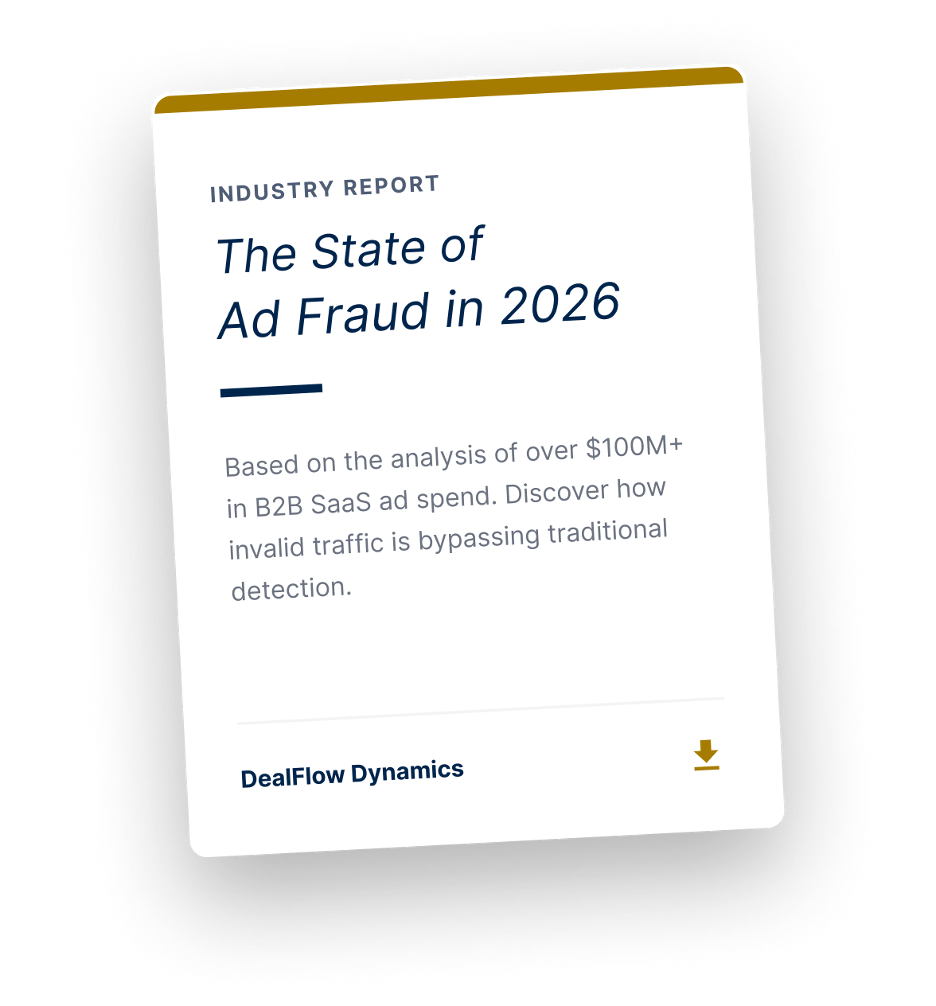
A placeholder asset slot for the report card shown in the mockup.
Do you know there are on average 37% bots in your traffic?
Use this dark CTA band for the report download and bottom-funnel conversion message.
Check My Traffic QualityGoogle Ads · Meta Ads · Paid Search